The 4th AAAI Fall Symposium on Unifying Representations for Robot Application Development
Westin Arlington Gateway, Arlington, VA, USA
November 5-7, 2026
About UR-RAD
Behind any robot task or interaction is a representation that should (a) enable sufficient contextualization; (b) support any existing predefined, learned, and/or reusable skills onboard the robot; (c) be verifiable at design time and behave consistently at run-time; and (d) can be tested, executed, and modified for reuse on a variety of different robot morphologies. Capturing the end user’s desired task or interaction as a computational artifact (i.e., a representation) has long played a pivotal role in robotics.
Many robotic subfields have traditionally employed a variety of different representational techniques, often borrowing from artificial intelligence (AI), to achieve their respective objectives. Examples include variants of LTL, logic, automated planning languages, languages for Belief-Desire-Intention, custom variations of these, and many more than we can list. The problem is that there is a lack of awareness of these representations in the research community, or how these representations can/should be applied.
This year, UR-RAD aims to increase engagement between junior and senior researchers, elevate discussion between audiences and speakers, and provide unique avenues of interaction for all participants.
Questions? Contact us:
Contact us aturrad.symposium@gmail.com
Keynote Speakers
Learn from leading experts in robotics and AI
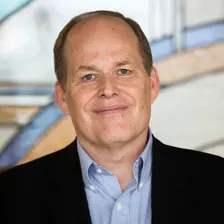
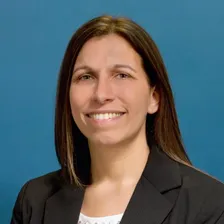
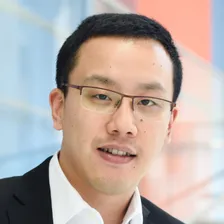
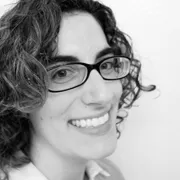
Laurel Riek
David R. Miller Professor
University of California San Diego
Computer Science and Engineering
Submit Your Research
Share your work on unifying representations for robot application development
Submission Types
- Full Papers: 5-8 pages (archival optional)
- Short Papers: 2-4 pages (archival optional)
Important Dates
- Submission Deadline: August 31, 2026
- Notification: September 14, 2026
- Camera Ready: September 29, 2026
- Symposium: November 5-7, 2026
Topics of Interest
Research areas we're excited to explore together
- Representational trends
- Natural language in robotics
- Novel representations & uses
- AI planning for robotics
- Formal methods in robotics
- Representations for robot learning
- Representations for user interfaces
- Robot end-user development and programming
- Robot runtime/control environments
- Opportunities for standardization
- Frameworks (e.g., ROS or middleware)
- Open-source & collaboration initiatives
- Identifying representation requirements
- Neurosymbolic representations